01
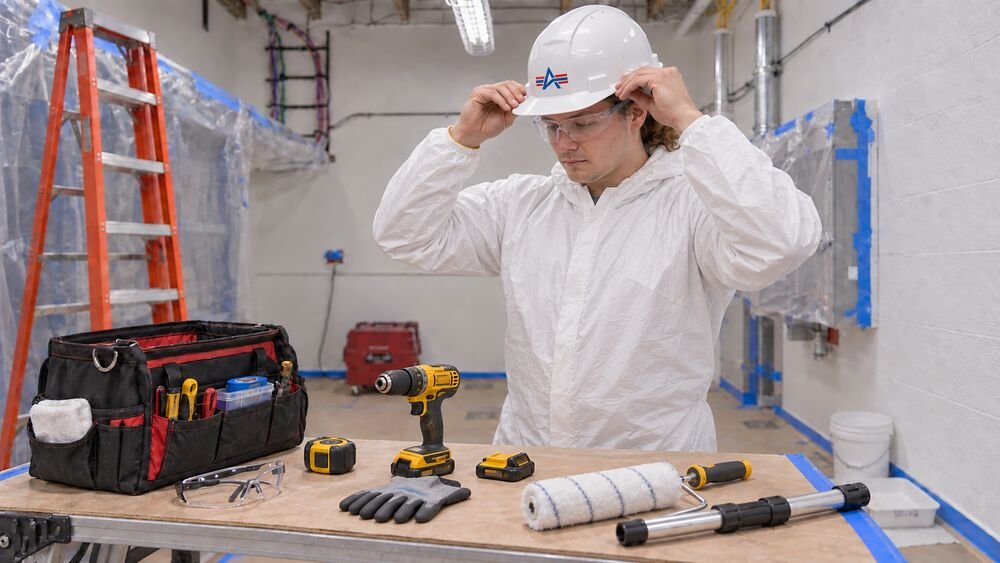
Personal protective equipment
Hard hat, safety glasses, high-visibility vest, gloves and safety-toe boots at minimum — plus task-specific protection such as hearing, face and respiratory protection.
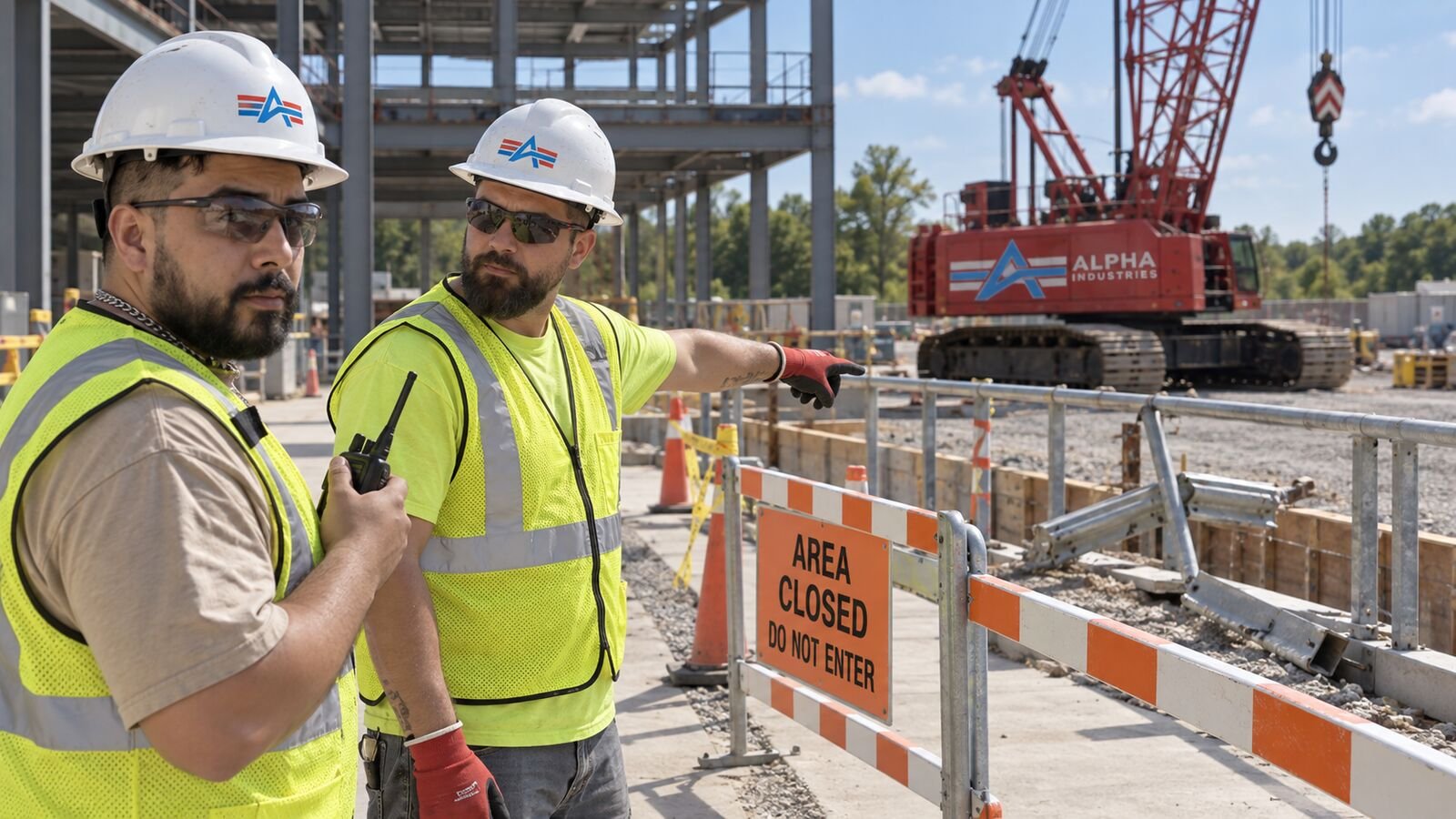
Safety is planned before the work starts, checked while it happens and owned by every person on the crew. We build inside occupied hospitals and federal campuses, so the people around our work are protected as carefully as the people doing it.
These hold on every Alpha jobsite, for every worker, every shift. No schedule and no budget outranks them.
Every worker has the authority to stop a task that looks unsafe — and nobody gets in trouble for using it.
An activity hazard analysis is reviewed with the crew before each phase of work begins.
A competent person inspects our work areas daily, and the findings are written down and fixed.
Close calls are reported the same day so the next crew does not get hurt the same way.
The same routine on every project, documented so owners and general contractors can see it working.
Every worker gets a site-specific safety briefing before the first day: hazards, limits, exits, emergency procedures.
Each phase of work has a written activity hazard analysis that names the competent persons and the controls.
Our competent person walks our work every day and records what was found and corrected.
A documented toolbox talk every week, in English and Spanish, with signed attendance.
On a medical campus the building never closes. Our crews follow the facility's infection control and security requirements from the first day to the last.
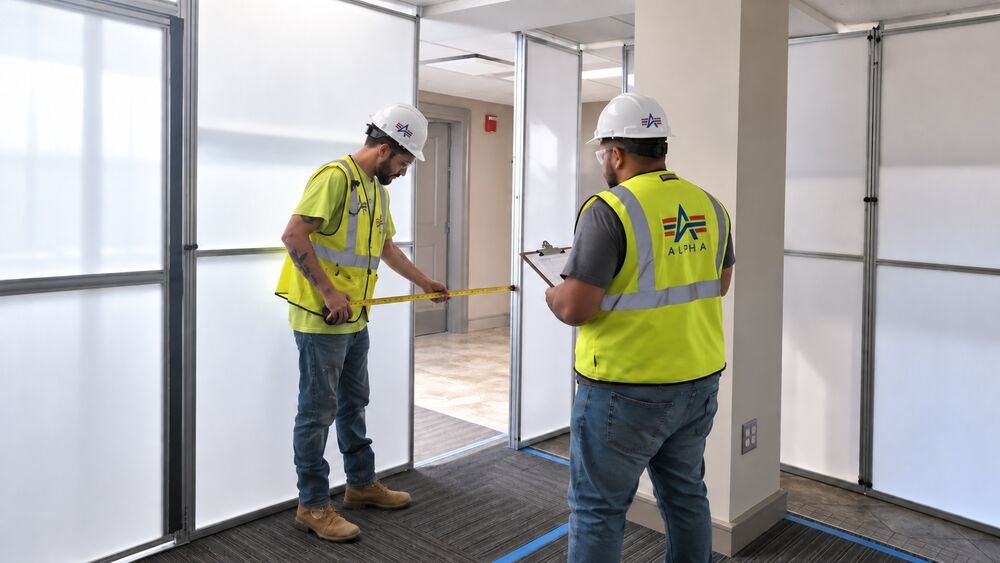
Each program has a written procedure, a trained competent person where the standard requires one, and records kept on the project.
Hard hat, safety glasses, high-visibility vest, gloves and safety-toe boots at minimum — plus task-specific protection such as hearing, face and respiratory protection.
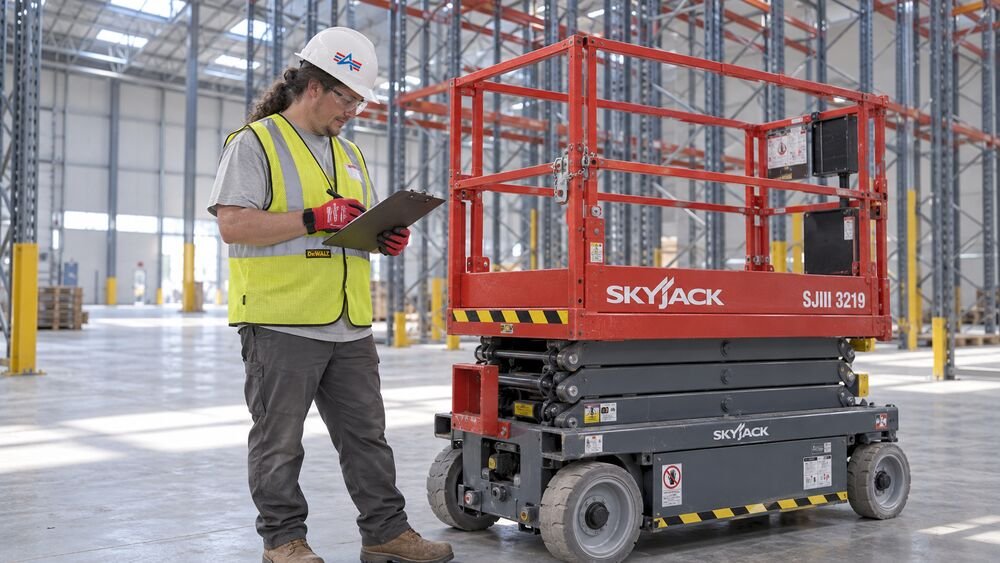
On government-occupied sites we protect from 4 feet. Aerial lifts are inspected before every shift and run only by trained operators.
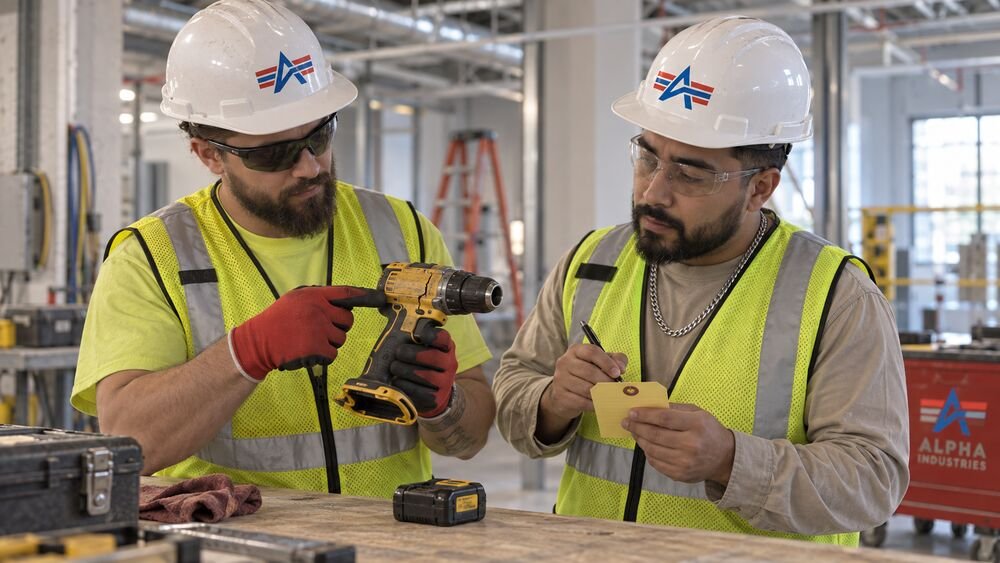
Cords, guards and tools are checked before use. Anything damaged is tagged out of service and replaced, not taped.
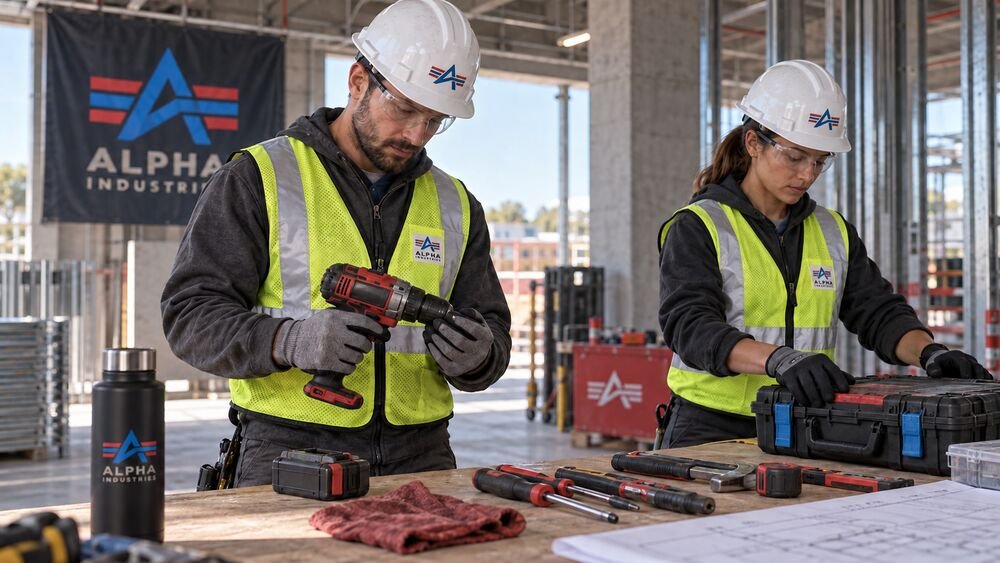
A written exposure control plan for cutting, coring, chipping and grinding concrete and masonry, using water or vacuum controls and a named competent person.
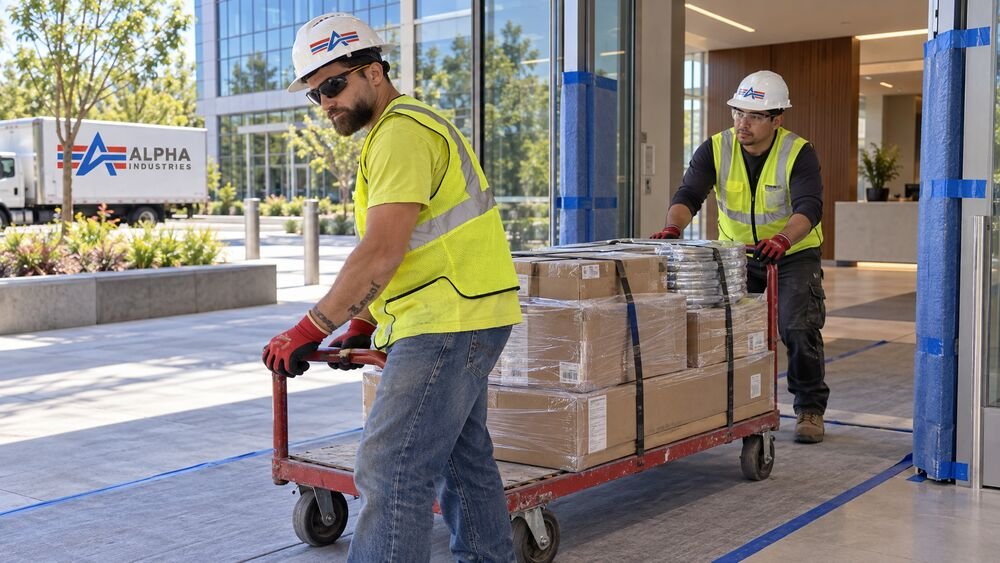
Planned routes, carts and lifting aids, clear paths through occupied corridors and no blocked exits.
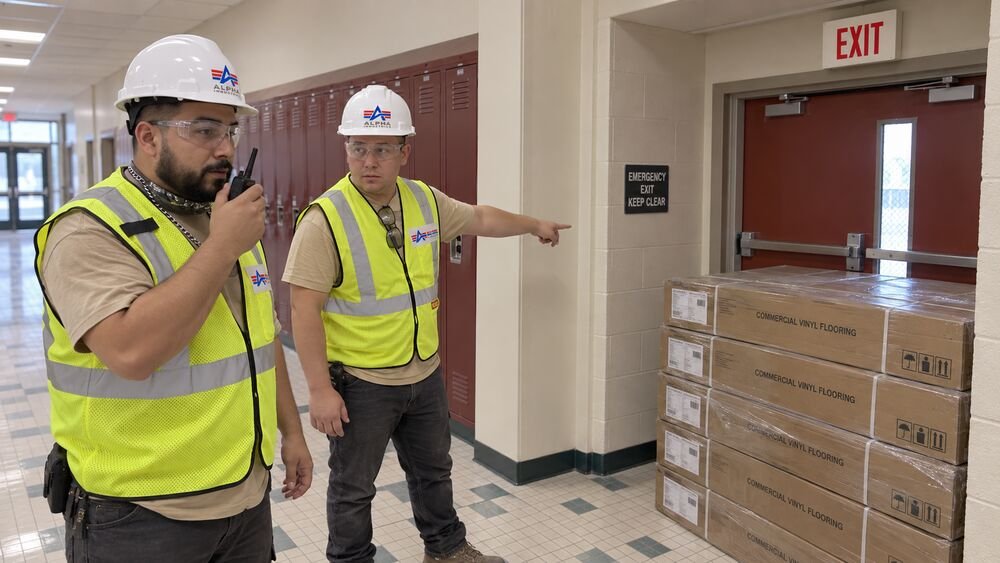
Every crew knows the exits, the assembly point, the nearest first aid and who to call — before the work starts.
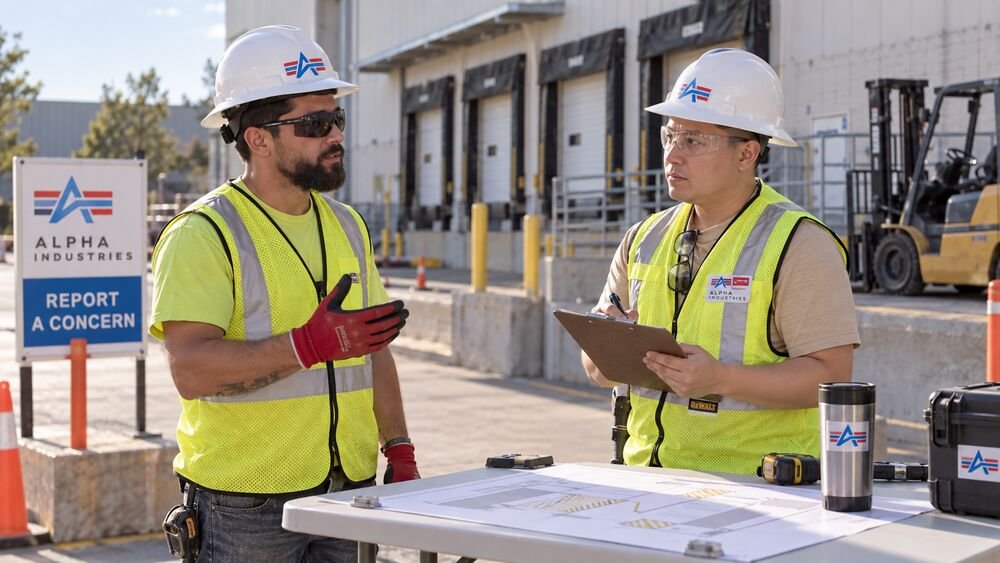
An urgent safety concern never waits for a message to move up the chain of command. Stop the work, make the area safe and tell your foreman. Near misses and concerns are reported the same day — there is no penalty for reporting.
Our programs follow federal safety regulations and the safety sections of each project's contract. When requirements differ, we follow the stricter one.
Links open the official agency pages, so the information is always current.